
Retailer Program
Private Label Is No Longer Optional.
It's the strategy. Shoppers are more willing than ever to choose non-leader brands. For the retailer, private label is the primary lever for differentiation, loyalty, price perception, and margin.
The Market Shift
The world's most successful retailers made the same bet.
Costco
One brand across all categories — textiles, baby, hygiene, dairy, pets — under a single logo. Private label sales now exceed P&G's entire annual revenue.
Trader Joe's
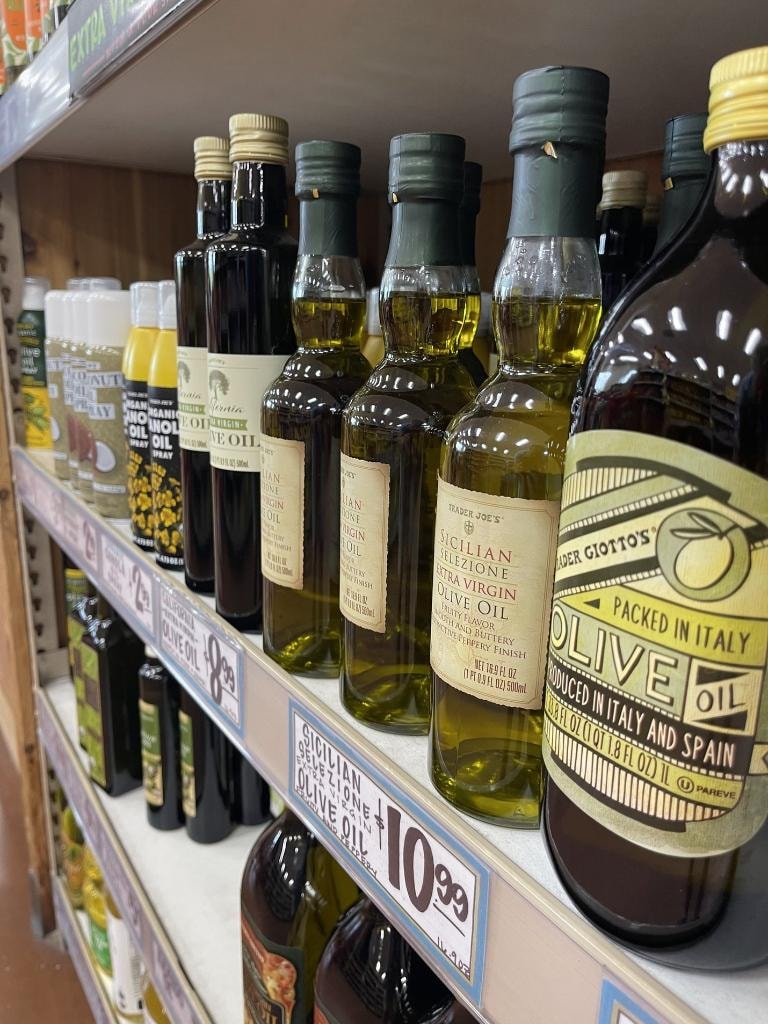
95% of assortment focused on private label, with loyalty that few national brands can match.
Walmart
After 35 years, finally reoriented its private label strategy toward quality — multiple brands per category competing head-on with leaders.

Why Private Labels Stall
The five reasons most programs fail.
Isolated decisions, no strategy
One SKU here, one supplier there. No brand architecture, no category roadmap, no target positioning.
Trapped in commodities
Sugar, rice, oil. Low margin, low differentiation — the categories national brands happily cede.
Quality roulette
Cheap products that erode brand image, or premium products that don't turn. Consistent differentiation is rarely achieved.
Weak shelf execution
Private label in a tiny block, far from the leader, with too few facings and a price gap nobody notices.
Fragmented supplier base
Fourteen suppliers for one category, with no negotiating power and slow inventory turnover.
The Economics
A structural cost advantage — without sacrificing quality.
Private label eliminates the costs that finance the brand, not the product. Indexed against a leading brand at 100, private label lands at 75.5 — a 24.5% cost saving that buys real shelf price gaps, negotiating power with national brands, and additional gross margin.
How We Work
Six steps to repurchase.
Step 2 is the one most retailers skip. Without a clear strategy and brief, the process drags on for months and results are mediocre.
Alignment
NDA and commercial agreement. Project scope, markets, and exclusivities.
Strategy, Analysis & Brief
Market analysis and recommendation, category sizing and priority, reference brands, positioning, quality and price gap, volumes, turnover, stores and brand.
First Iteration
Manufacturer presents samples, product, design and packaging. Sale price, gross margin, costs, minimum volumes, payment terms.
Second Iteration
Refined samples and mockups. Customs agent, import process, tariff classification, certificate of origin.
Pro Forma Purchase Order
Regulatory work begins: free sale certificates, labeling, sanitary registrations.
Launch & Repurchase
Initial volumes, shelf execution, performance review, strategy adjustment and the next category on the roadmap.
Work Cases
Anonymized examples from the field.
Full range from concept to shelf
Complete range developed with a Colombian manufacturer: ultra-concentrated and specialized detergents, bar-type liquid soap, fabric softeners, WC tablets. Independent lab tests: formulas matched or exceeded leading brands.
12 SKUs · lab validatedFrom concept to shelf
Body liquid soap, intimate soap, antibacterial hand soaps and travel kit designed end-to-end: attributes, label and counter-label copy, formats and levels.
Full range · brand systemCategory prioritization & brand architecture
Category prioritization, brand architecture (single brand vs. tiers vs. controlled), price gap definition and shelf execution standards.
Strategic advisoryWhy XYZ Brands
We've sat in both chairs.
Exclusively private label
We have no commercial brands of our own. There is never a conflict of interest.
From "where to play" to "how to win"
Anyone can argue for private label. We build the business plan, category by category, SKU by SKU.
Operators, not observers
We have run retail chains and led commercial organizations at consumer goods multinationals. We've been on both sides of the table.
The full chain in view
Factory, freight, customs, shelf, shopper, repurchase, marketing, sales, and working capital — in one integrated perspective.
A verified manufacturer network
Plants in Latin America, the United States and Europe, benchmarked against leading brands by independent laboratories.
Ready to build your private label strategy?
Tell us your markets, number of stores, and target categories. We'll build the roadmap.